
UniBarge: microlearnings in multiple languages
UniBarge is an innovative, dynamic inland shipping company in the West European inland waterway sector, specialising in the transport of mineral oil products, chemicals, gas and biofuels. Through a strong focus on sustainability and innovation, the organisation makes an important contribution to cleaner and safer transport by water.
The challenge
With a modern fleet of around 70 inland tankers operating across an extensive sailing area that covers the FARAG ports (North Sea Port Flushing, Port of Amsterdam, Port of Rotterdam, Port of Antwerp-Bruges, Port of Ghent), the North-West German canal region and the Rhine/Moselle as far as Switzerland, UniBarge faces a challenge that many maritime companies will recognise.
"We work with a very diverse workforce," says Henk Bunt, Quality & Innovations Manager at UniBarge. "From Dutch captains to Latvian, Czech and Filipino crew members. Everyone needs to be aware of our procedures and ways of working, but translating and distributing training material was an enormously time-consuming task."
As one of those responsible for Safety, Security, Health, Environment and Quality (SHEQ), Henk Bunt works with colleagues to ensure that all vessels comply with relevant laws and regulations, ISO 45001, ISO 14001 and ISO 9001. That means constant updates, incident reports and, above all, making sure that everyone on board has the right knowledge. To do this, UniBarge uses LesLinq.
Microlearnings with automatic translations
UniBarge started by developing short, powerful microlearnings for critical topics, such as:
- Methanol competence training: practical tips and tricks for working safely with methanol, a fuel that requires specific knowledge
- Defensive sailing: training focused on CO2 reduction and anticipatory sailing behaviour, part of UniBarge's sustainability ambitions
- Onboarding: getting new employees up to speed quickly with UniBarge's procedures and ways of working
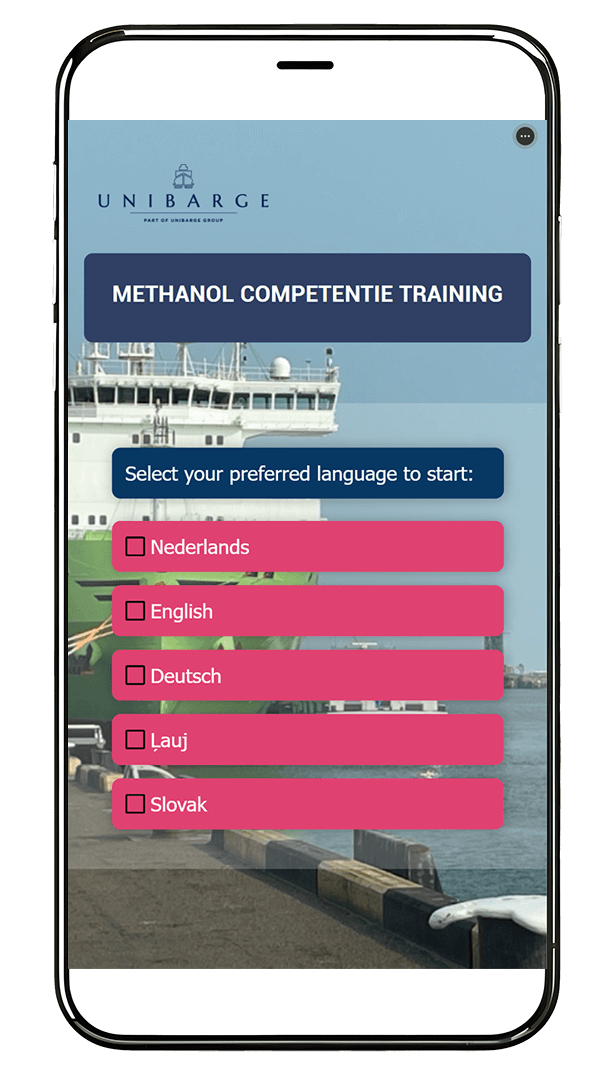
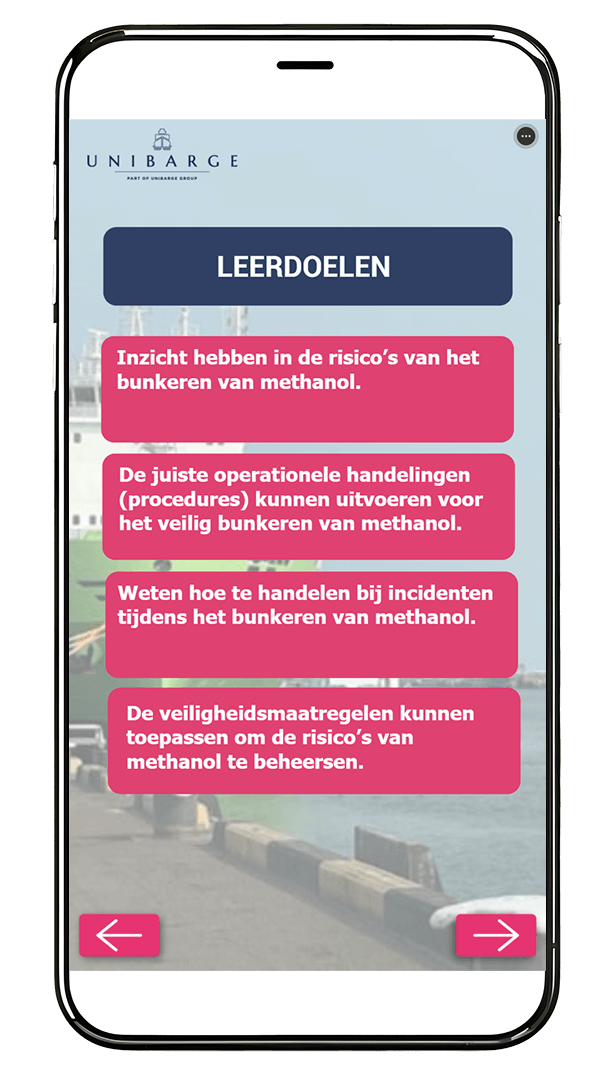
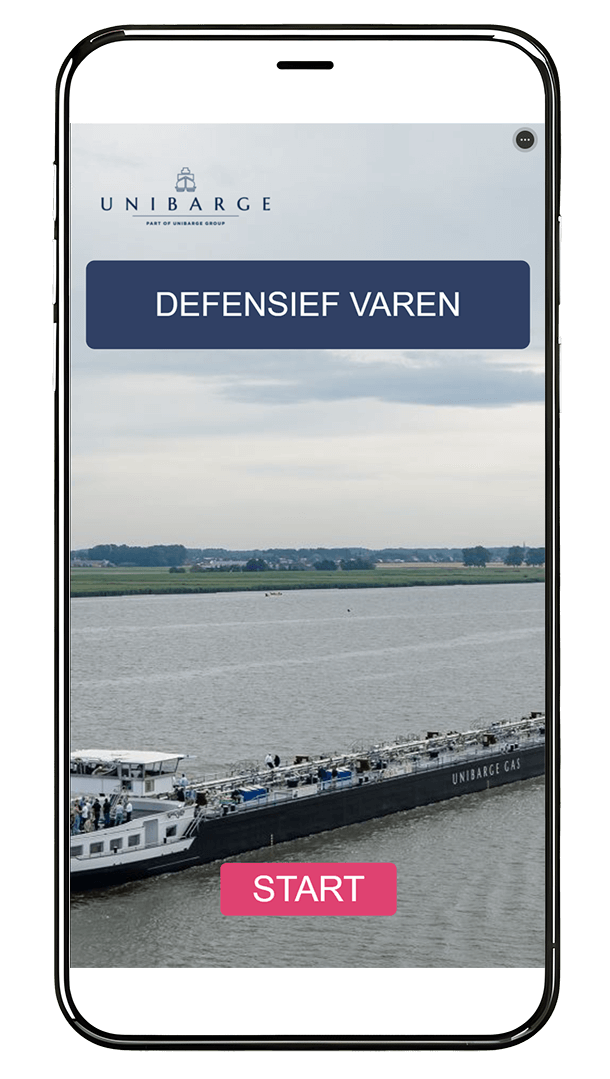
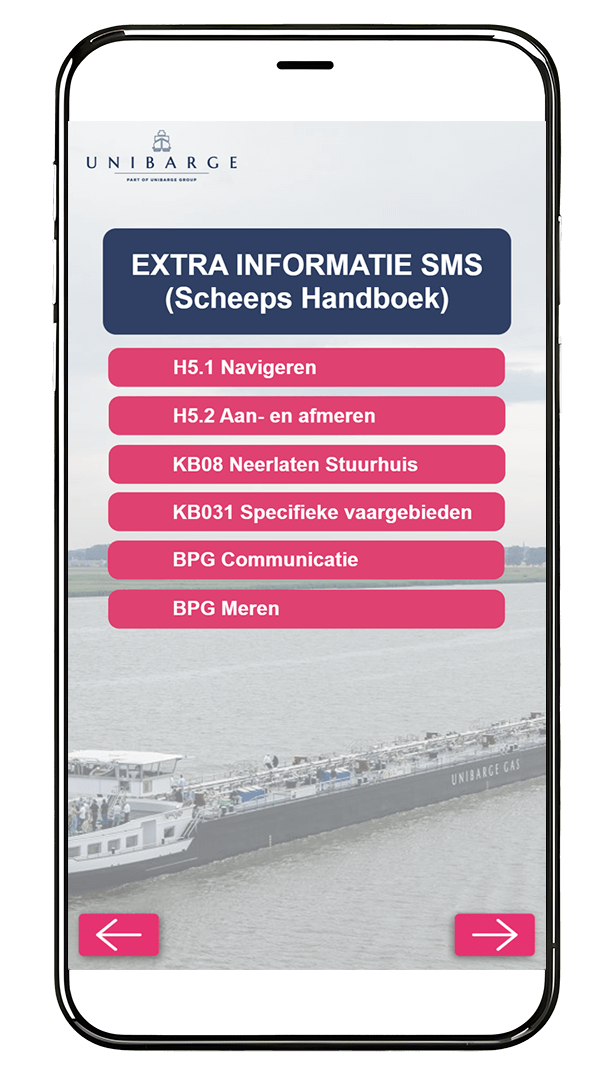
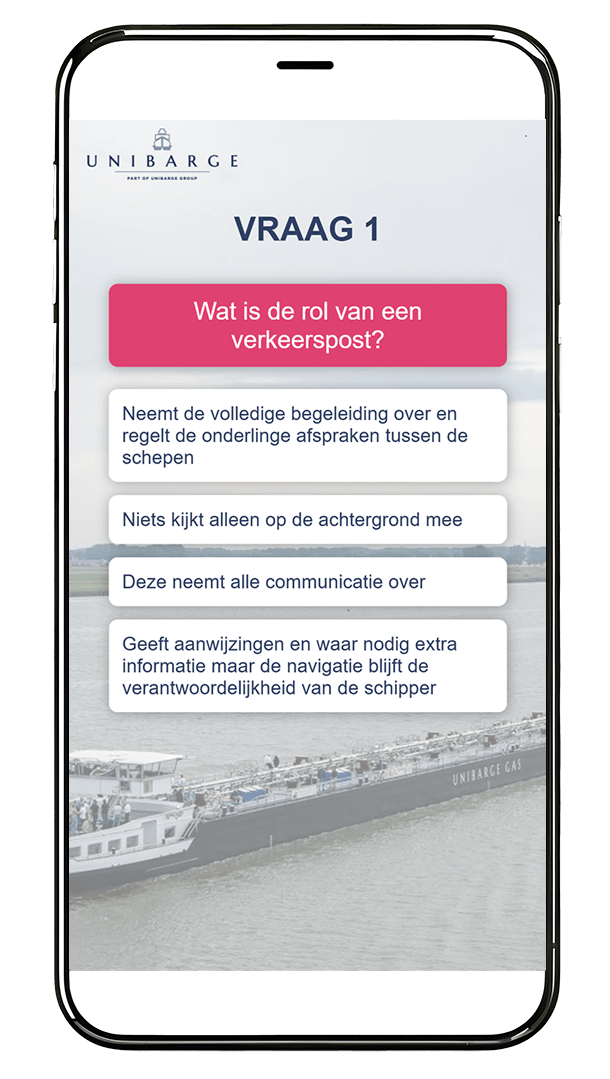
These microlearnings are created in LesLinq and connected to the company's own LMS system (Plusport). Information about the results is exchanged via SCORM. This gives UniBarge full control over learning results and compliance reporting.
What makes LesLinq so valuable?
LesLinq is especially powerful thanks to its ease of use and the speed with which you can create training:
"I would describe LesLinq as a really great tool. Incredibly handy for creating learnings very quickly. User-friendly, lightning fast, and it looks graphically excellent. Modern, on any device you like," Henk Bunt summarises.
But the biggest advantage for us is the automatic translation function:
"We work a lot with people who speak other languages. Thanks to LesLinq, we can simply create training in Dutch and translate it automatically into other languages. That saves an enormous amount of time and prevents mistakes."
The future
Although UniBarge has been working with LesLinq for a relatively short time, the experiences are very positive. The focus is currently mainly on competence training and the onboarding process, but Henk sees many more possibilities.
"Right now we are mainly focused on competence training and the onboarding process. In the future, we see many more ways to put LesLinq to good use. Think of technical instructions, safety procedures and soft skills training."
With the recently established UniBarge Academy Swiss AG, which focuses on career development and training new talent in a sector facing staff shortages, LesLinq fits perfectly into the vision of a learning organisation.
Want to know more about how LesLinq can help with multilingual microlearnings?
LesLinq is highly suitable for creating accessible, multilingual and interactive learning material. Want to know more? Get in touch with us, we are happy to think along with you.
Klaar om iedereen te bereiken?
In 15 minuten laten we je zien hoe LesLinq werkt voor jouw specifieke situatie. Zonder enige verplichting.